

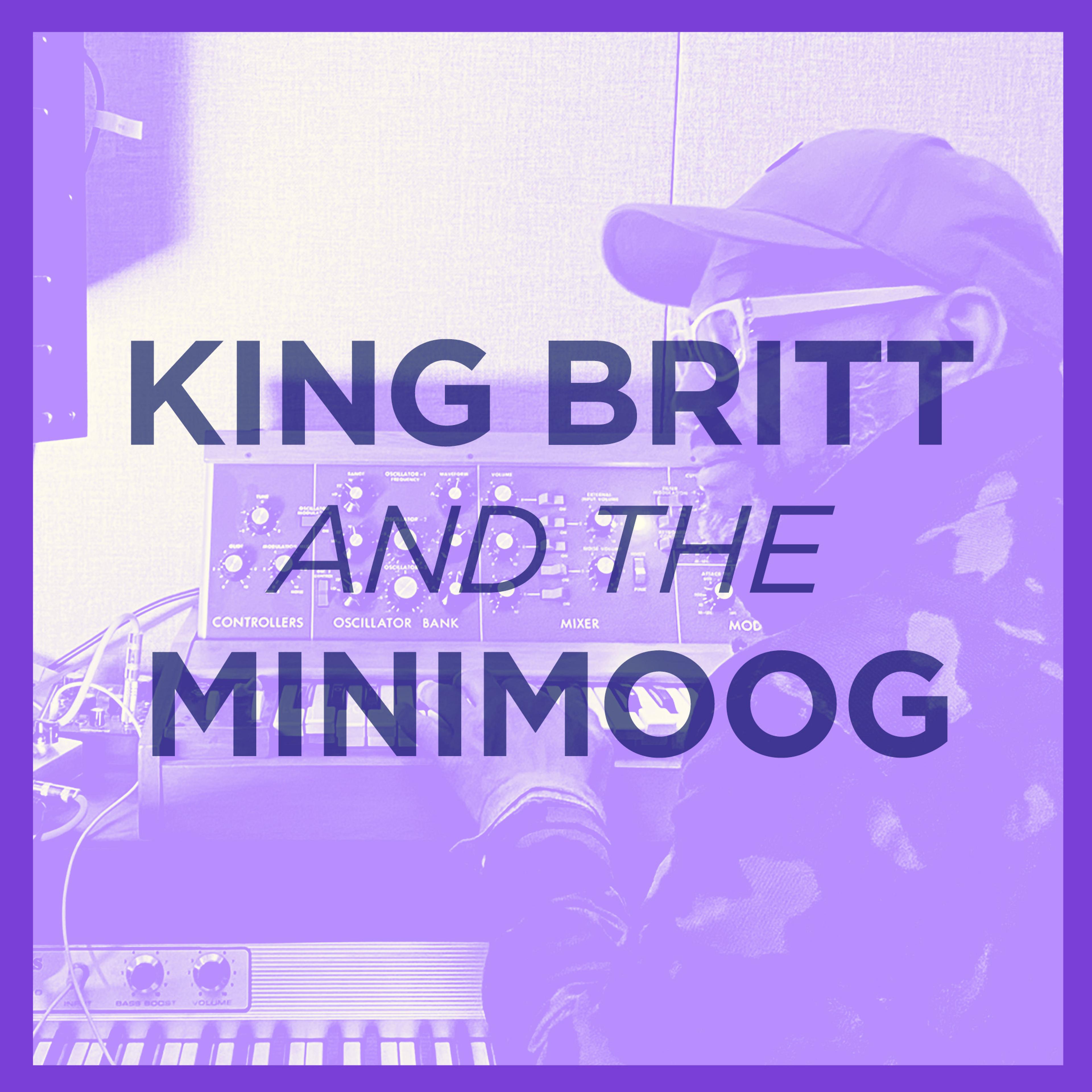


King Britt & The Minimoog Model D
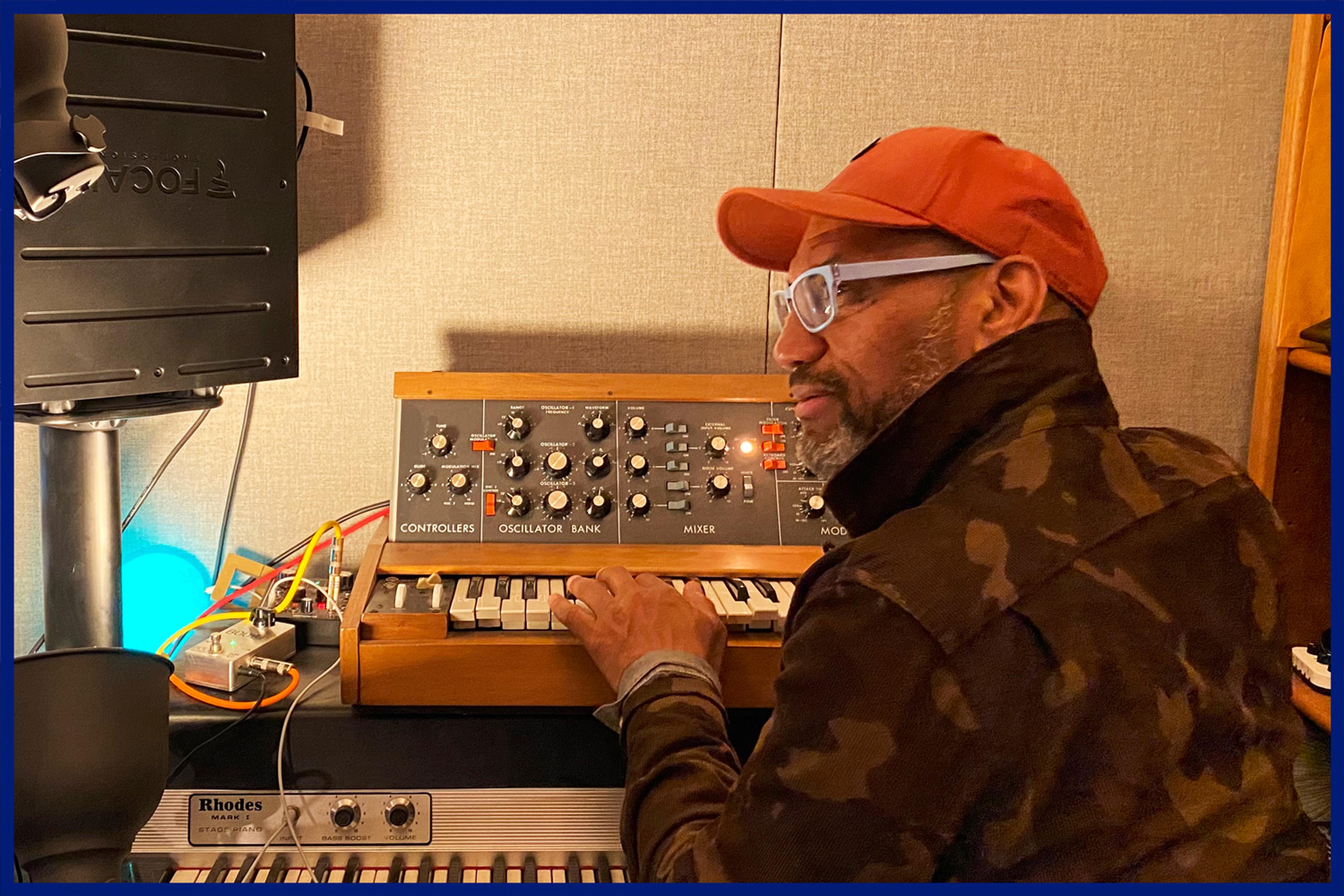
1972 - 1977 were pivotal years in the growth of my subconscious ear training. Growing up in a household, with parents who were record collector hobbyists. My Mother was a connoisseur of avant jazz and vocalists and my Father was an avid funk and James Brown collector. Between these two genres I was ear trained in many early Moog sounds, mainly the MiniMoog.
My farthest Moog sonic memory that I can access, was in my Father’s barbershop in 1973. I was 5 years old observing how music effected the customers and community, and how certain songs spoke to the moment. He had one turntable in there (that I would operate the year following) and he put on a new album by Herbie Hancock, whom my Mother introduced me to through his Mwandishi projects (they featured more ARP modular stylings with Patrick Gleason). This new album was completely different rhythmically and was called
The Headhunters. The song Chameleon opens with the iconic MiniMoog bassline (he confirmed the bassline is Minimoog and Arp for lead in our Blacktronika class) that Herbie describes as “creating music from the Earth” since his Mwandishi project was completely cosmic and sound traveling. Headhunters was grounded in the funk that Sly, George and James had introduced to the world. Of course Herbie being the cosmonaut that he is, brought the Minimoog’s 901ABC Oscillators and 904 Filters (that were featured in the ginormous Moog Modular III but now in a compact size) into the funk.I had recognized the sound from early Stevie Wonder’sTalking Book (and the soon to come Innervisions) which was a result ofhis epic collaboration with Malcolm Cecil and Robert Magouleff’s TONTO synthesizer, which housed 6 Moog Modular III 901 Oscilators and 3 x 904 Filters. Stevie was the first to introduce the Moog to R&B and every black household in the world. So both Stevie and Herbie were responsible for bringing new sonic possibilities into black mainstream music.
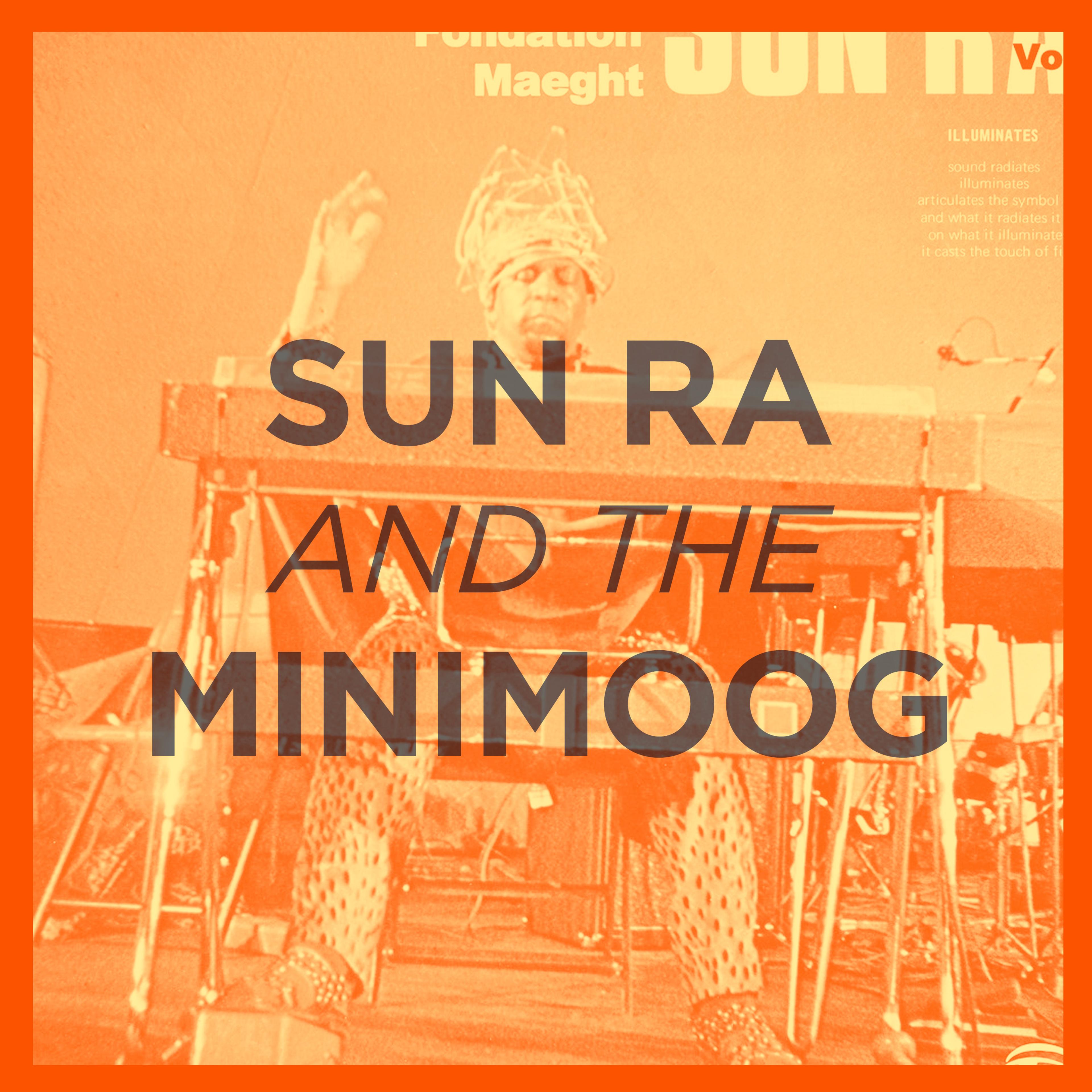
Of course when I think back, I definitely heard the MiniMoog before that time but I was too young to remember. My Mother was friends with Sun Ra and I would be with her at a few rehearsals and such. Sonny had the Minimoog Model B which was the prototype of what was to come. In the film Space is the Place (1972) the Model B is featured. I don’t remember vividly but he was using the instrument to truly push sound design within the jazz big band context.I was too young to understand but of course now I teach it and love all of it.To Nature’s God, has always been a favorite Moog driven piece that I love by Mr Ra.
Soon after the Herbie’s Headhunters went platinum (the first Jazz album to ever do so), everyone was hooked on the Minimoog, especially R&B musicians. It was a such a monster for bass that most records after either just had the Moog or a combination of live bass and Mini. It was also the standard for synth leads as displayed so beautifully by the great Chick Corea (Herbie’s best friend) in the jazz fusion of his band, Return to Forever !
Now in ’75 I started to go to a school that had kids from all communities. We had music appreciation class where we could bring in a record every Friday. This is the first time I heard the Moog in rock records! I was so excited because groups like Emerson, Lake and Palmer, King Crimson, Rick Wright’s work with Pink Floyd and
later Rush (who used the Moog Taurus (Geddy Lee), were using the sounds in a different way. Keith Emerson was a monster synthesist. Living Sin was the first tune I had heard from them and you could put it right next to Herbie’s Mwandishi Sextant album.The common thread was the Moog. Keith was known for having 6 Minimoogs so he didn’t have to switch parameters to get the sound he needed.
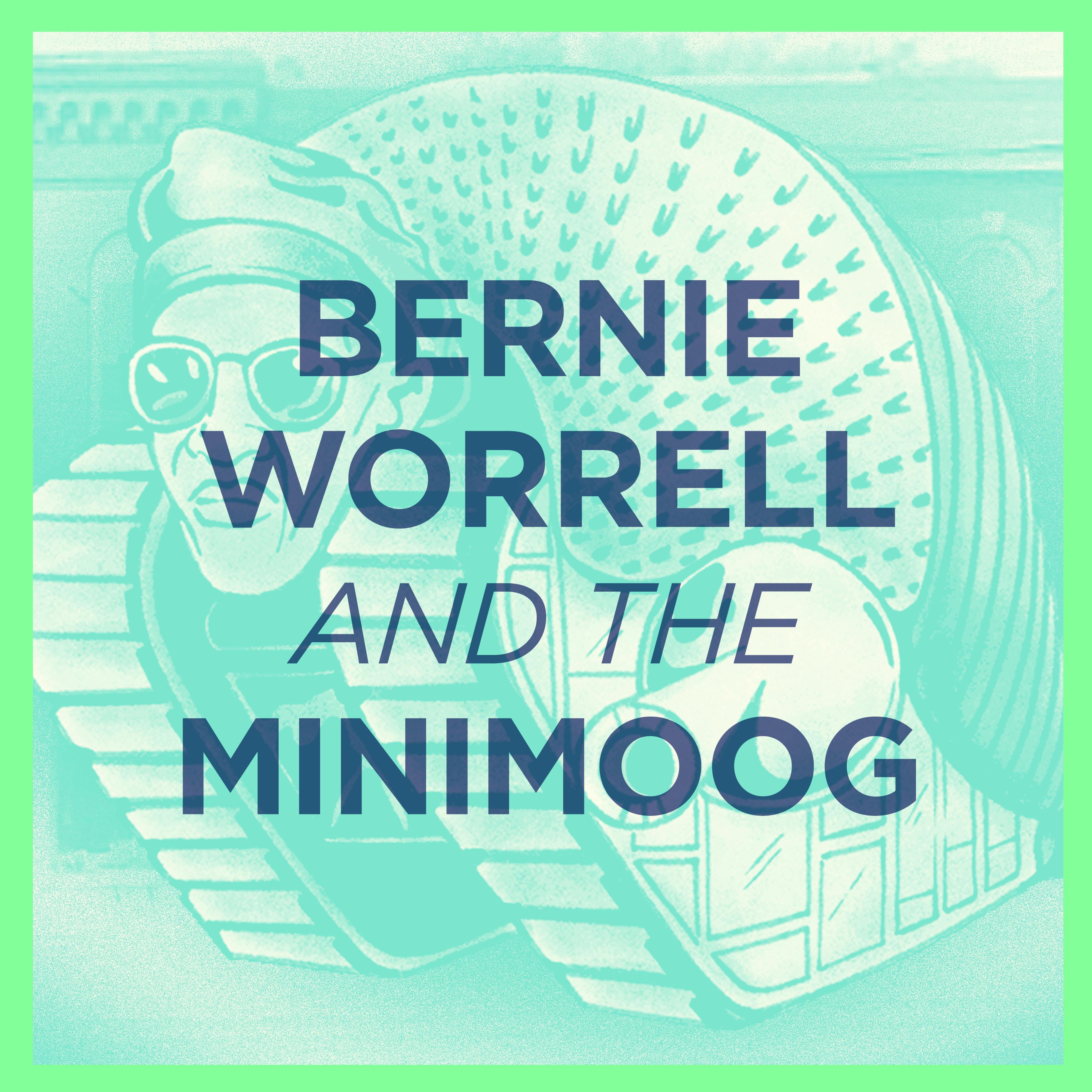
But in 1977, Funk’s president, George Clinton, who had taken the funk crown years previous, dropped what was to become another iconic baseline from the earth. Bernie Worrell’s infectious bassline on Parliament’s Flashlight declared the funk was alive at a time when commercialized disco dominated the charts. The use of filters on this has become an iconic setting for all MiniMoog owners. Just a bouncy dance tune where George declares all Black people to ‘flash their light’, shine and illuminate. Together with his live spaceship landing tour, no one expanded minds more than Parliament Funkadelic at the time.
For me these were pivotal MiniMoog moments in Black music. Taking the technology into the far reaches of the Afrofuturist landscape, shifting how we heard the future, right now!
To learn more about King Britt and Blacktronika please visit his site!
To listen to King Britt's Blacktronica x Moog Music playlist click here.

